
 简体中文
简体中文Search for More Information

Linear modules are commonly used transmission components in automated equipment, such as manipulators, 3D printers and automatic dispensing machines. Driven by the trend of labor cost reduction, these devices are gaining increasingly widespread applications. Many people are curious about the internal structure of linear modules. Below, Jiayi has sorted out the internal and external structural composition of linear modules for you:
The internal structure is the core of a linear module, which falls into two categories based on different working principles:
Timing Belt Structure: This structure consists of a high-quality timing belt and linear guides working in tandem.
Ball Screw Structure: The transmission system of this linear module is composed of a ball screw and linear guides.
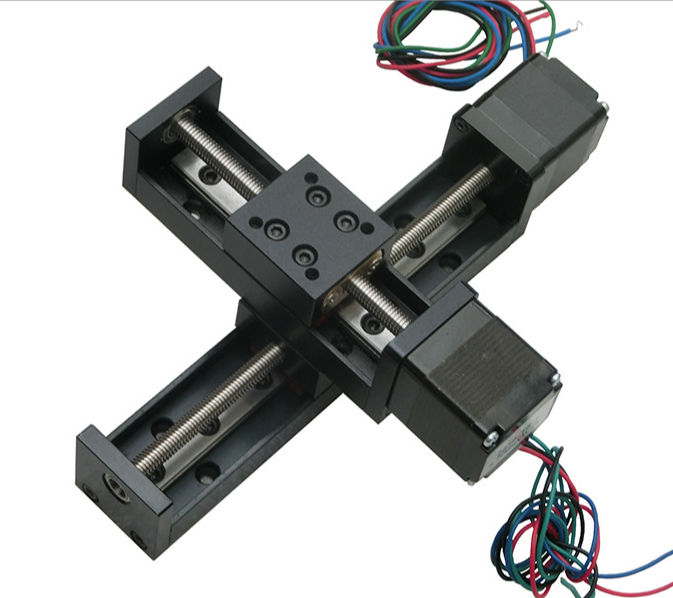
According to different working principles, the external structure of linear modules is divided into open type and enclosed type:
Open Structure: For open-type linear modules, the load-bearing parts are mainly located on both sides or the middle-lower part, while the transmission components are partially exposed.
Enclosed Structure: In contrast, the transmission parts are fully sealed and protected.
In short, the structure of linear modules has not undergone revolutionary changes over a long period of application. Its structural design is reasonably engineered to meet diverse application requirements.
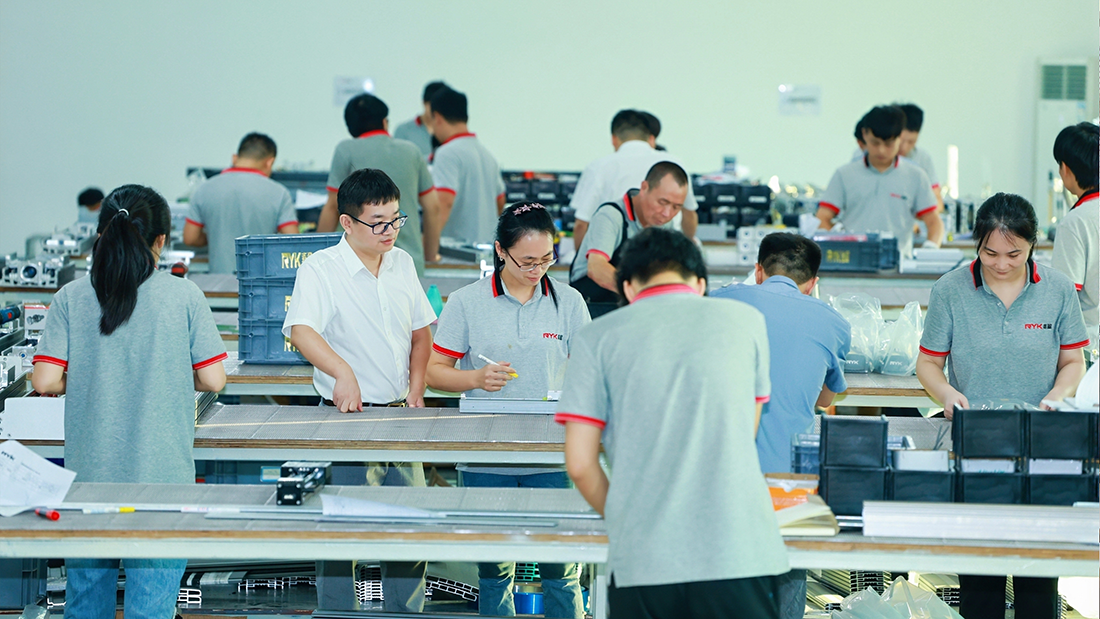
Dongguan Jiayi Intelligent Equipment Co., Ltd. was founded in 2009 in Dongguan, Guangdong Province. Jiayi is committed to the product operation and system integration of linear motion systems and industrial automation systems, providing customers with tailored automation products and systematic automation solutions.
Our main products include linear modules, linear motors, DD motors, variable-pitch modules, electric slides, multi-axis precision platforms, customized platform solutions, and module accessories such as ball screws and linear guides.
